
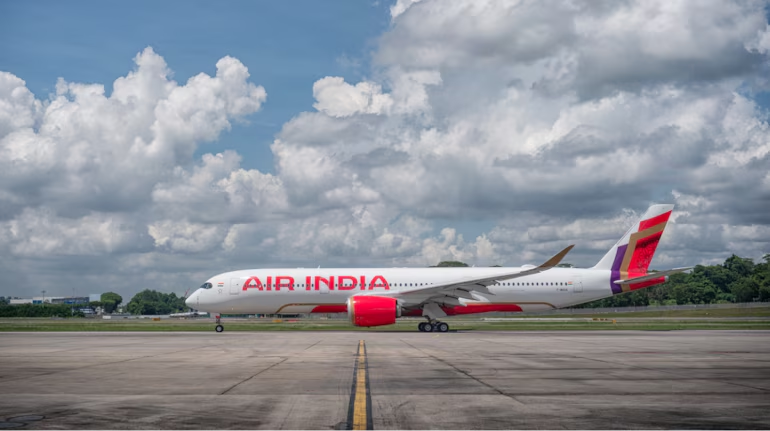
Air India Receives Temporary Duty Relaxation
India’s aviation safety regulator, the Directorate General of Civil Aviation, has granted temporary relief to Air India regarding pilot duty norms for certain long-haul international flights.
The decision comes after several airspace restrictions across the Middle East forced airlines to operate longer diversion routes. These extended routes have significantly increased flying time for international flights operated by the airline.
Why the Relaxation Was Granted
Due to ongoing geopolitical tensions in parts of the Middle East, multiple airspaces including areas over Iran and Iraq have been restricted or avoided by airlines.
As a result, Indian carriers have been forced to reroute flights through alternative corridors such as Egypt and other regions, increasing both travel distance and flight duration.
To manage these operational challenges, the regulator temporarily relaxed the Flight Duty Time Limitations (FDTL) rules for Air India’s long-haul flights.
Temporary Rule Changes
According to industry sources:
-
Pilot flight duty period has been extended slightly to accommodate longer routes
-
Some roster planning requirements have also been eased
-
The relaxations are temporary and expected to remain in place until April 30, 2026
These changes are intended to help airlines maintain international connectivity while ensuring flight safety and operational stability.
Impact on International Flights
The Middle East airspace crisis has already affected numerous international routes operated by Indian airlines.
Flights to Europe, North America, and other destinations have been forced to take longer detours, increasing fuel consumption, operational costs, and flight duration. Airlines across the region are closely monitoring the evolving situation and adjusting schedules accordingly.
Aviation Industry Monitoring the Situation
Authorities continue to monitor the geopolitical developments affecting aviation routes across the Middle East. Airlines including Air India are adjusting their operations to maintain passenger safety while minimizing disruption.
Industry experts expect airlines to continue operating longer routes until regional airspace restrictions ease.
Conclusion
The temporary relaxation granted to Air India highlights how geopolitical tensions can directly impact global aviation operations. With longer routes and increased flying time, regulatory flexibility is helping airlines maintain essential international connectivity during the ongoing Middle East airspace disruptions.